Ethiopian Beef Tibs: History, Traditional Recipes, and How to Make This Ethiopian Classic
Ethiopian Beef Tibs: History, Traditional Recipes, and How to Make This Ethiopian Classic
What Is Ethiopian Beef Tibs?
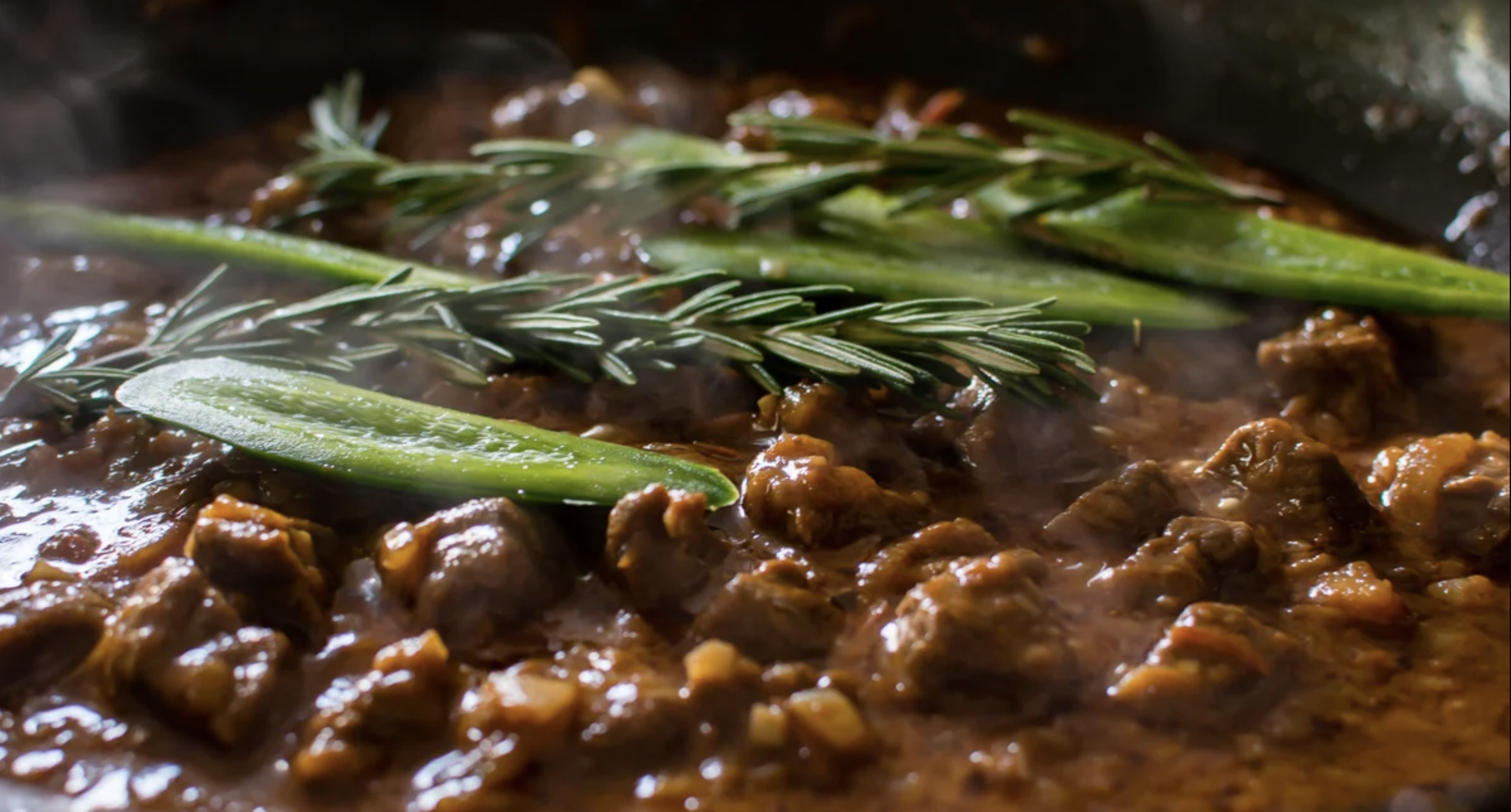
Beef Tibs, often simply called tibs, is one of the most popular dishes in Ethiopian cuisine. It consists of cubes or strips of beef (although lamb and venison are also commonly used) quickly sautéed over high heat with onions, garlic, green chilies, tomatoes, and a fragrant blend of spices centered around berbere and niter kibbeh (Ethiopian spiced clarified butter).
Depending on the region and family tradition, tibs can be served as a dry stir-fry or as a rich, saucy dish. It is traditionally eaten with injera, Ethiopia’s signature fermented flatbread made from teff flour.
The Origins of Beef Tibs
In Ethiopia, tibs has long been associated with hospitality and celebration. Historically, it was prepared to honor special guests or served during family gatherings and festive occasions, when fresh meat was considered a symbol of generosity and respect.
Over time, tibs evolved from a ceremonial dish into a beloved everyday meal. Today, it is one of the country’s most iconic recipes and has become increasingly popular in Ethiopian restaurants around the world.
The word tibs refers to meat that has been cut into cubes or strips and cooked over high heat.
Essential Ingredients
Although recipes vary, authentic Ethiopian Beef Tibs typically includes:
- beef, cut into bite-sized pieces
- onions
- garlic
- fresh or canned tomatoes
- green chilies (such as jalapeños or serranos)
- berbere spice blend
- niter kibbeh (or ghee)
- black pepper
- ginger
- ground fenugreek
- cumin
- cardamom (optional)
- red wine or beef stock, depending on the recipe
The defining ingredient is berbere, Ethiopia’s signature spice blend made from dried chilies, fenugreek, garlic, ginger, coriander, cinnamon, cloves, and other aromatic spices. It provides the dish with its characteristic heat, depth, and complexity.
Another essential component is niter kibbeh, a clarified butter infused with herbs and spices that gives tibs its distinctive richness and authentic flavor.
How Beef Tibs Is Cooked
There are two main styles of preparing Beef Tibs.
The traditional method quickly stir-fries the beef over very high heat until browned on the outside while remaining juicy inside. The onions, garlic, berbere, spiced butter, tomatoes, and chilies are then added, and everything cooks together for just a few more minutes.
Other versions use tougher cuts of beef suitable for braising. These recipes add beef stock or red wine and simmer the meat slowly for about 45 minutes or longer until it becomes tender, producing a richer, stew-like sauce.
In both methods, the goal is to balance the bold heat of berbere with the sweetness of onions and the richness of Ethiopian spiced butter.
Popular Types of Tibs
Ethiopian cuisine features several regional variations of tibs.
Key Sega Tibs
A saucy version of the dish that resembles a stew, prepared with tomatoes and broth or wine.
Awaze Tibs
Perhaps the best-known variation outside Ethiopia. The beef is cooked with awaze, a spicy paste made from berbere, oil, water, garlic, and other seasonings, resulting in a bolder, drier dish.
Kitfo Tibs
Prepared with finely chopped beef seasoned with berbere and spiced butter. Depending on preference, it may be served raw, rare, or lightly cooked.
Dulet Tibs
A traditional variation made with beef combined with organ meats such as liver, kidneys, and tripe for a richer, more robust flavor.
What Is Awaze?
Awaze is a spicy Ethiopian condiment made by combining:
- berbere
- water
- oil
- garlic
- ginger
- black pepper
- cumin
It is mixed into the beef during cooking and gives Awaze Tibs its signature spicy, deeply aromatic flavor.
What to Serve with Beef Tibs
The traditional accompaniment is injera, Ethiopia’s sour fermented flatbread made from teff flour. Injera also serves as the eating utensil, used to scoop up the beef and sauce.
Outside Ethiopia, Beef Tibs is also commonly served with:
- steamed white rice
- seasoned rice
- pasta
- flatbread
- sautéed vegetables
A squeeze of fresh lemon juice just before serving adds brightness and balances the richness of the dish.
Tips for Perfect Beef Tibs
- Use a very hot skillet or wok to properly sear the meat.
- Avoid overcrowding the pan, which causes the beef to steam instead of brown.
- Add the berbere gradually and adjust the spice level to your taste.
- If using braising beef, simmer it until completely tender.
- Homemade niter kibbeh provides the most authentic flavor whenever possible.
Storage
Beef Tibs keeps well in an airtight container in the refrigerator for up to three days.
Many cooks find that the flavors become even deeper after resting overnight.
It also freezes well for several months and can be reheated gently on the stovetop or in the microwave.
Frequently Asked Questions
What does tibs mean?
Tibs is an Ethiopian dish made from cubes or strips of beef or lamb cooked with onions, spices, and aromatic ingredients.
What cut of meat is used for Beef Tibs?
Beef is the traditional choice, although lamb and venison are also commonly used. Depending on the recipe, either tender steak cuts or braising cuts may be selected.
What is berbere?
Berbere is Ethiopia’s signature spice blend, combining dried chilies, fenugreek, garlic, ginger, and numerous aromatic spices. It is the defining flavor of Beef Tibs.
What is the difference between Beef Tibs and Awaze Tibs?
Beef Tibs is the general name for the dish, while Awaze Tibs specifically uses awaze, a spicy berbere-based paste that produces a more intense and typically drier preparation.
What is traditionally served with Beef Tibs?
The classic accompaniment is injera, Ethiopia’s fermented teff flatbread, although rice, bread, or sautéed vegetables are also popular alternatives.