Benefits of Bissap: Health Properties of Hibiscus Flower
Benefits of Bissap: The Health Properties of Hibiscus Flower
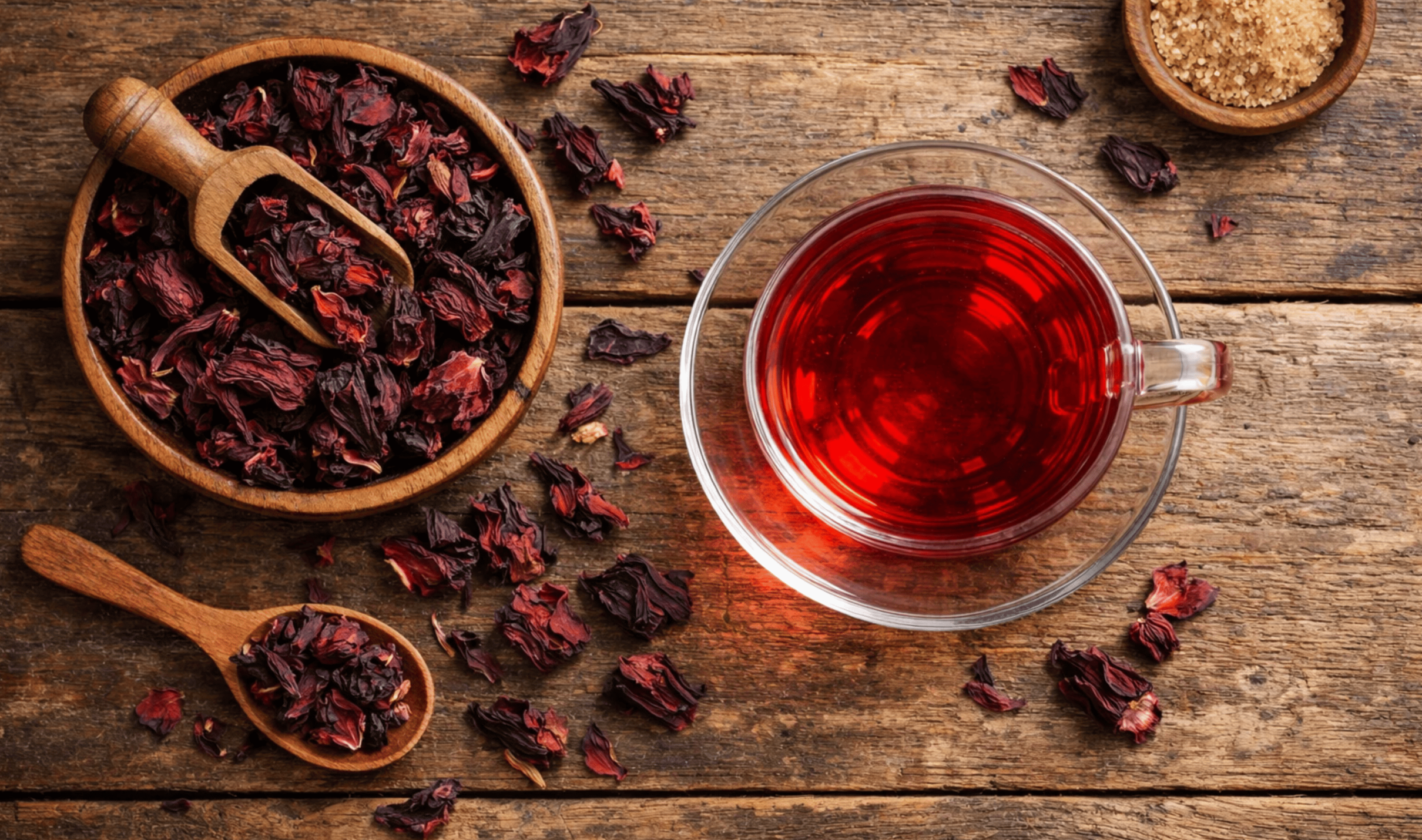
Bissap, made from the dried calyces of the Hibiscus sabdariffa flower, is much more than a traditional African beverage. Consumed for centuries in countries such as Senegal, Egypt, The Gambia, and Mali, this natural drink is renowned for its slightly tart flavor, vibrant red color, and wealth of bioactive compounds.
Thanks to its content of antioxidants, vitamin C, polyphenols, flavonoids, and anthocyanins, bissap has become one of the most extensively studied herbal infusions in recent years. Below, we explore its main health benefits.
1. A Natural Source of Antioxidants
One of the greatest benefits of bissap is its high concentration of natural antioxidants, particularly anthocyanins and polyphenols.
These compounds help combat oxidative stress caused by free radicals, which are responsible for cellular aging and are associated with numerous chronic diseases.
Regularly drinking hibiscus tea may help protect the body’s cells against oxidative damage.
2. May Help Maintain Healthy Blood Pressure
Numerous studies have examined the effects of hibiscus on blood pressure. Some research suggests that regularly consuming Hibiscus sabdariffa tea may help slightly lower blood pressure in people with mild hypertension, when used alongside a balanced diet and appropriate medical treatment where necessary.
This effect is mainly attributed to its anthocyanins and its natural diuretic properties.
3. Supports Cardiovascular Health
In addition to helping regulate blood pressure, bissap may contribute to overall cardiovascular health.
Some studies suggest that its antioxidant compounds may help support a healthy lipid profile by reducing LDL («bad») cholesterol and triglyceride levels, while also protecting blood vessels from oxidative damage.
4. A Natural Diuretic
Traditionally, hibiscus has been used as a natural diuretic.
It promotes the elimination of excess fluids through urine, which may benefit people prone to water retention or those looking for a refreshing beverage as part of a balanced diet.
5. Promotes Healthy Digestion
In many African countries, bissap is commonly enjoyed after meals because of its digestive properties.
It may support healthy bowel function, stimulate digestion, and help relieve the feeling of heaviness after large meals.
For this reason, hibiscus flowers are also frequently included in digestive herbal tea blends.
6. Rich in Vitamin C
Hibiscus flowers provide vitamin C, an essential nutrient for the proper functioning of the immune system.
Vitamin C also plays a key role in collagen production, supports iron absorption, and helps protect cells against oxidative stress.
7. May Support Weight Management
Bissap is not a miracle weight-loss drink, but it can certainly be part of a healthy diet.
Its low calorie content (when consumed without added sugar), satisfying nature, and ability to promote hydration make it an excellent alternative to sugary soft drinks.
Some studies are also investigating its potential effects on fat metabolism, although further research is needed to confirm these findings in humans.
8. Anti-Inflammatory Properties
The polyphenols and flavonoids found in hibiscus possess anti-inflammatory activity.
Various experimental studies suggest that these compounds help regulate certain inflammatory processes within the body, which could have positive effects on cardiovascular and metabolic health.
9. Helps Maintain Good Hydration
Bissap is an excellent way to stay hydrated, especially during the summer months.
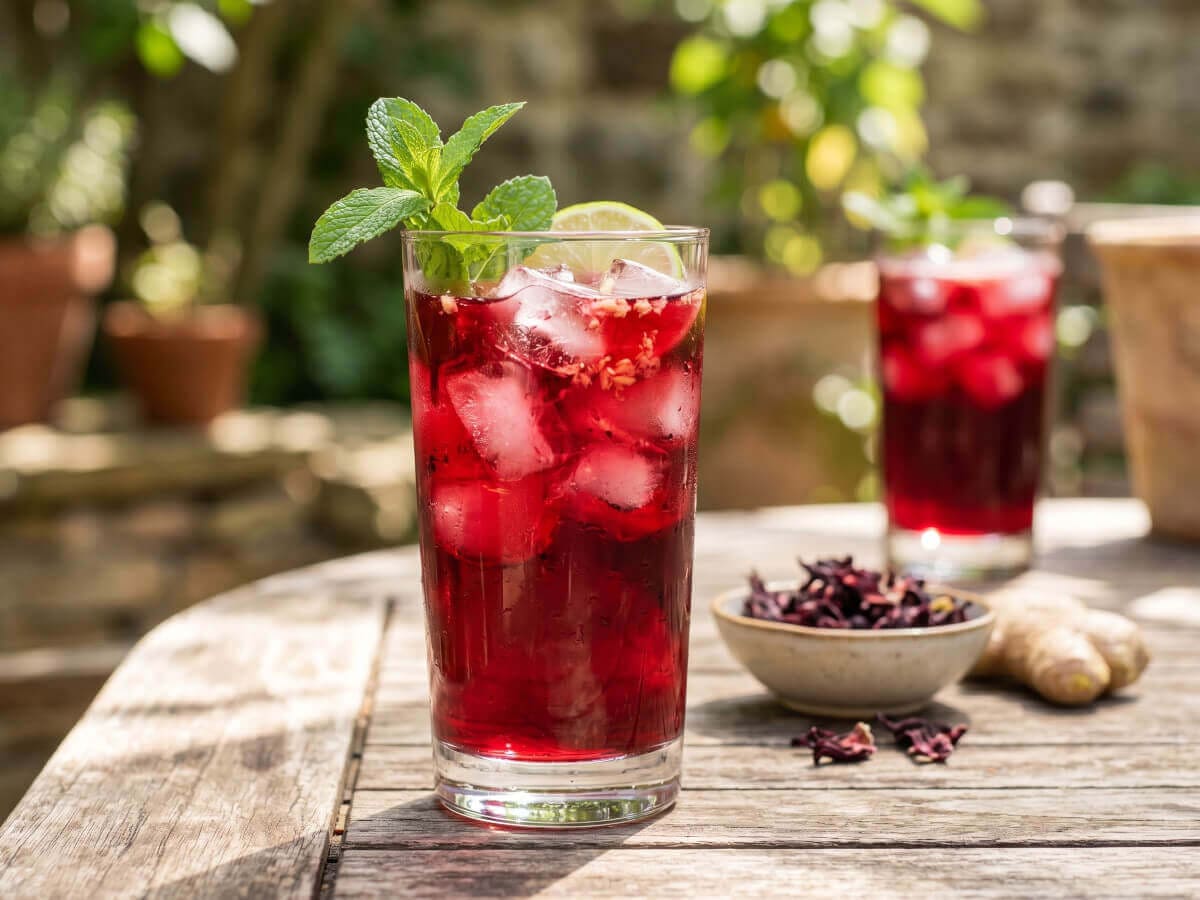
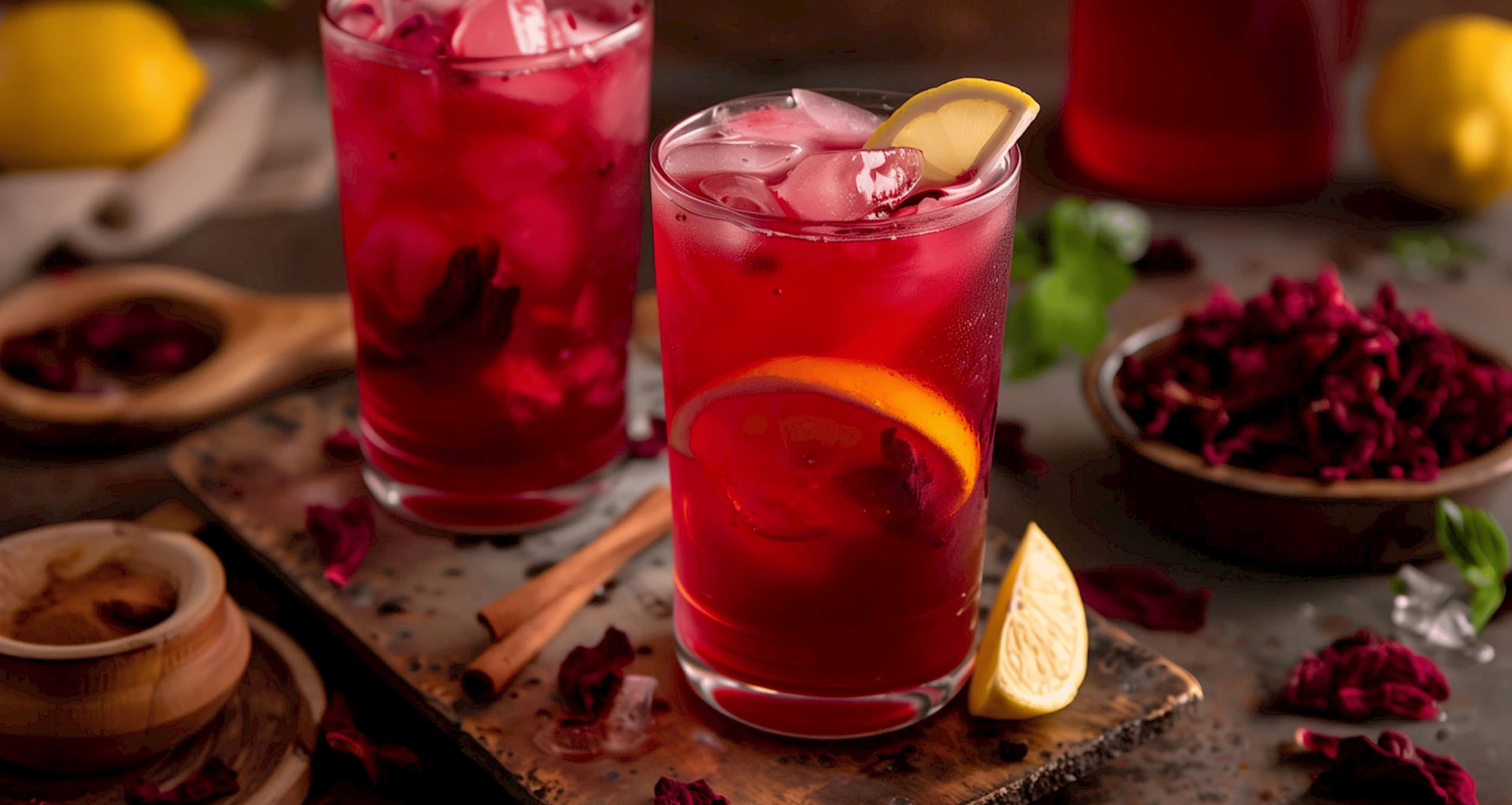
Served ice-cold with ice cubes and fresh mint leaves, it becomes a refreshing, caffeine-free beverage that is far healthier than many commercially produced soft drinks.
10. A Traditional Beverage with Centuries of History
Beyond its nutritional properties, bissap is an important part of the culinary heritage of many African countries.
In Senegal, it is considered the national drink. In Egypt, it is known as karkadé and is enjoyed both hot and cold. In The Gambia, it is called wanjo, while in other regions hibiscus features prominently in a variety of traditional recipes.
Are There Any Contraindications?
Although bissap is generally safe for most people when consumed in moderation, certain individuals should consult a healthcare professional before drinking it regularly:
- People with low blood pressure or those taking antihypertensive medications.
- People receiving treatment for diabetes, as hibiscus may affect blood glucose levels.
- Pregnant or breastfeeding women, unless advised otherwise by a healthcare professional.
- Individuals taking certain medications, as hibiscus may interact with some drugs.
Bissap: A Healthy Drink as Part of a Balanced Diet
Bissap combines tradition, flavor, and nutritional value. Its richness in antioxidants, vitamin C, and beneficial plant compounds makes it an appealing beverage for those seeking natural alternatives to conventional soft drinks.
Although its potential benefits for blood pressure, cardiovascular health, and metabolism continue to be investigated, what is clear is that hibiscus can form part of a varied and balanced diet, providing hydration, a distinctive flavor, and a rich culinary tradition that has been enjoyed by generations of African families.