How to Make Bissap Step by Step: A Traditional Senegalese Recipe
How to Make Bissap Step by Step: A Traditional Senegalese Recipe
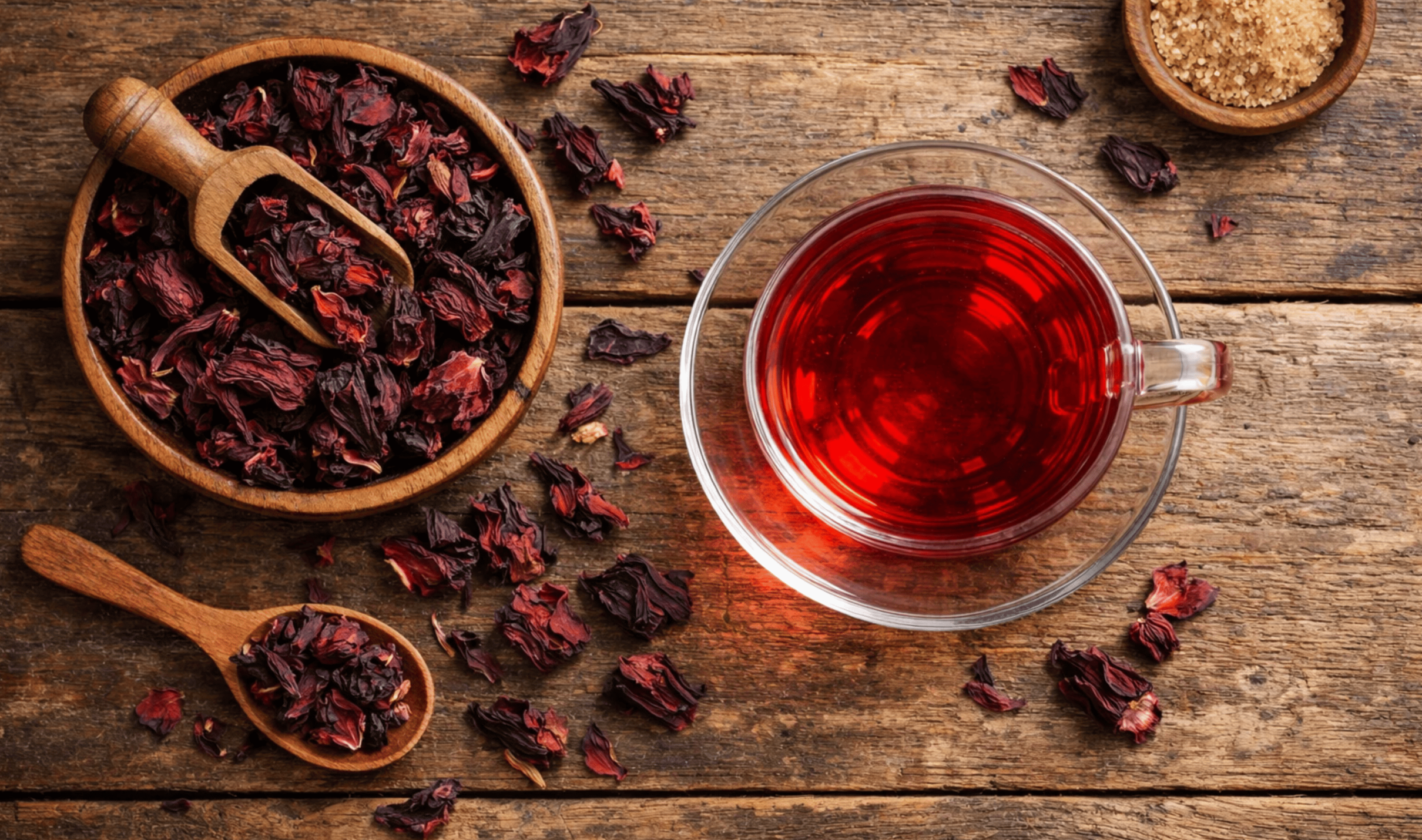
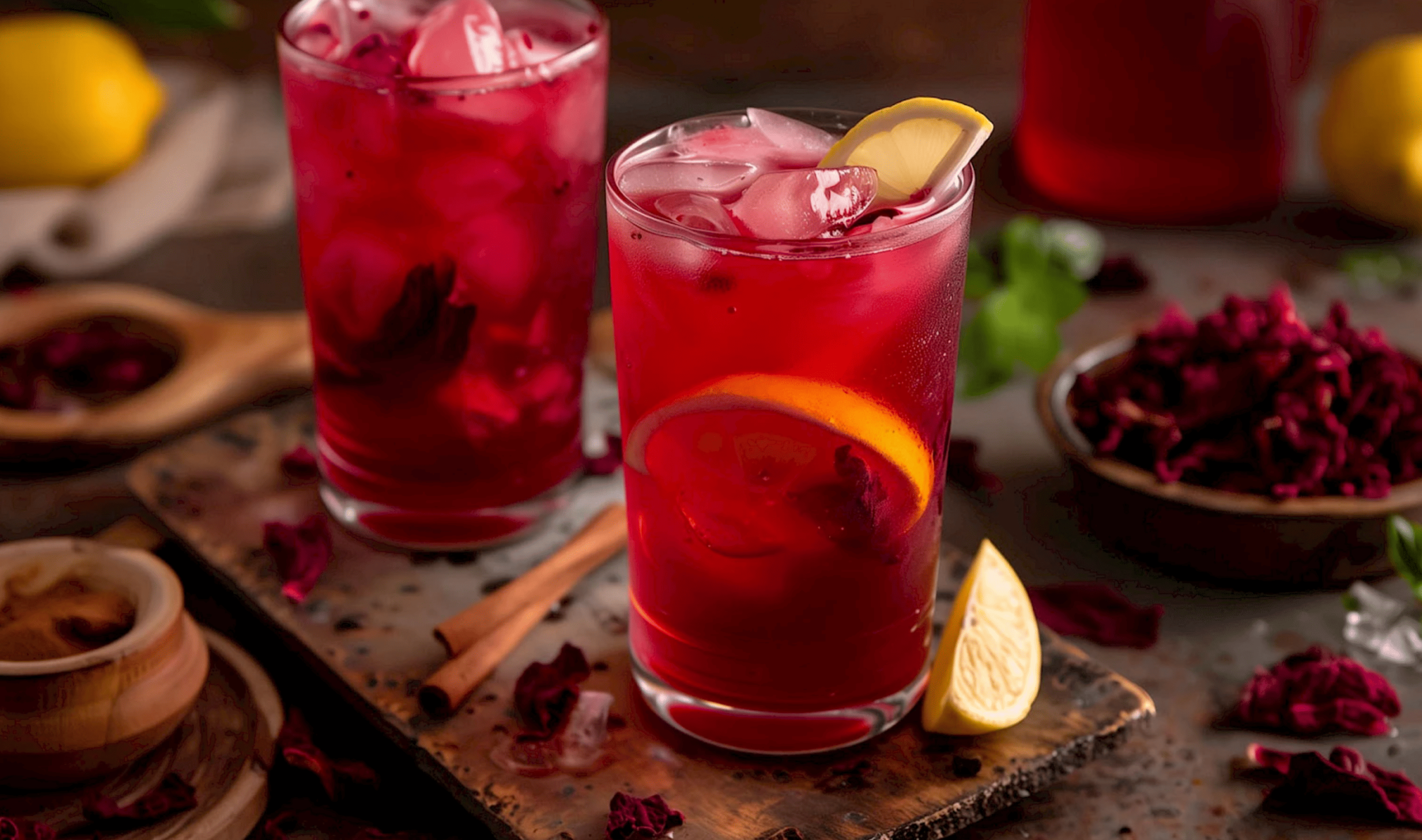
Making homemade bissap is much easier than you might think. This popular West African drink is prepared from the dried calyces of the Hibiscus sabdariffa flower, which release their distinctive deep ruby-red color and pleasantly tart, refreshing flavor when infused.
In Senegal, bissap is one of the most widely consumed beverages, enjoyed both at home and during family celebrations. It is also popular across other West African countries, where it is known by different names, including wanjo in The Gambia, dabileni in Mali, and zobo in Nigeria.
Although the traditional recipe is sweetened with sugar, healthier variations use panela (unrefined cane sugar), honey, or no sweetener at all. It can also be flavored with fresh mint, vanilla, orange blossom water, ginger, or tropical fruit juices such as pineapple or orange.
Ingredients (Makes 2 Litres)
- 2 litres (about 8½ cups) of water
- 200 g (7 oz) dried hibiscus flowers
- 250–500 g sugar or panela, to taste
- 1 teaspoon vanilla extract (optional)
- A handful of fresh mint or spearmint leaves
- Optional: a few drops of orange blossom water or a splash of orange or pineapple juice
How to Make Bissap
1. Rinse the Hibiscus Flowers
Lightly rinse the dried hibiscus flowers under cold running water to remove any impurities while preserving their natural properties.
2. Prepare the Infusion
Bring the water to a boil and add the hibiscus flowers. Simmer over medium heat for 15–20 minutes, until the liquid develops a deep ruby-red color.
3. Strain the Drink
Pour the infusion through a fine sieve, pressing the flowers gently to extract as much liquid as possible.
4. Sweeten and Flavor
While the infusion is still warm, stir in the sugar or panela until fully dissolved. Add the vanilla extract, a few drops of orange blossom water, or a splash of orange or pineapple juice if you prefer a fruitier flavor.
5. Chill the Bissap
For a richer flavor, refrigerate the drink for at least two hours. Ideally, prepare it the day before serving.
6. Serve Well Chilled
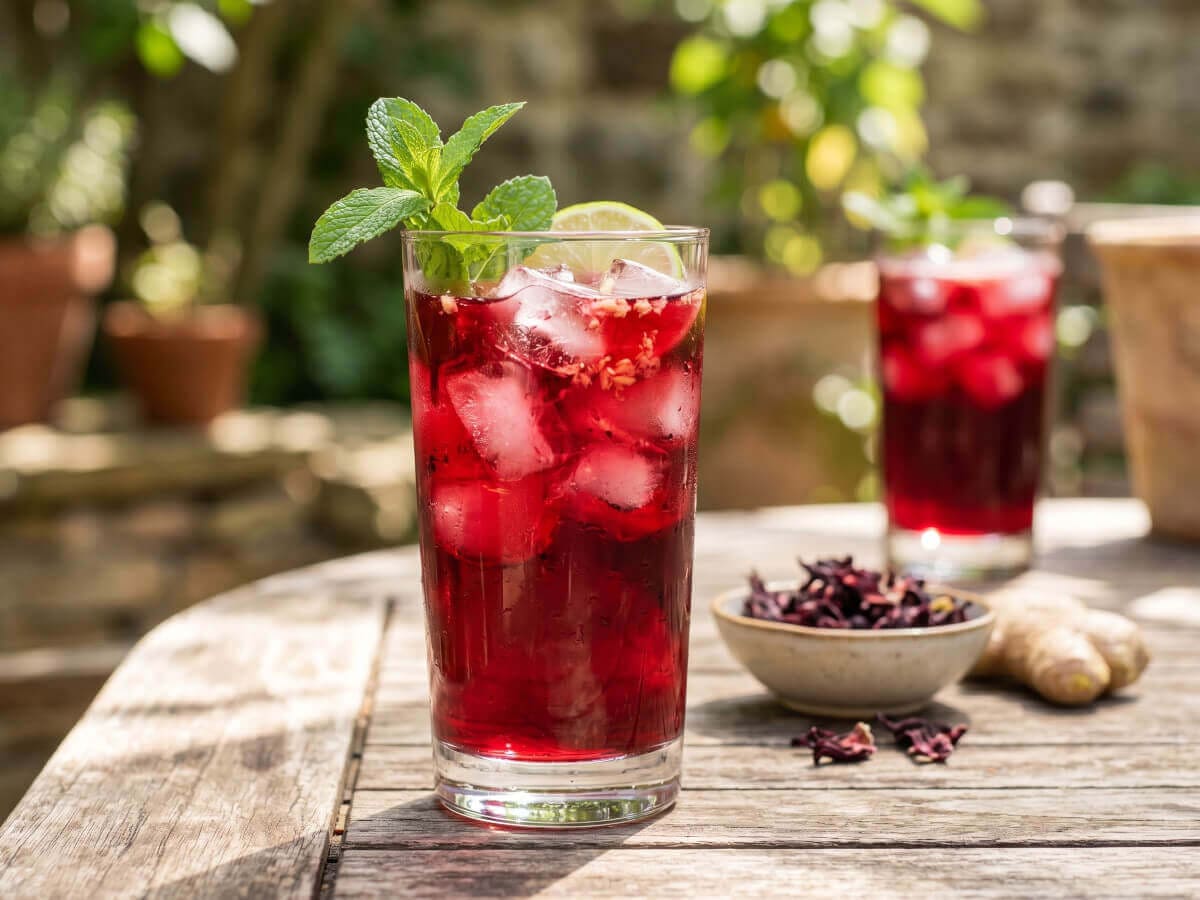
Add a few fresh mint leaves and plenty of ice before serving. During colder months, bissap can also be enjoyed warm.
Tips for the Perfect Bissap
- Use high-quality dried hibiscus flowers for the best flavor and color.
- For a less sweet drink, replace some of the sugar with panela or honey.
- Fresh ginger adds a subtle spicy kick that is especially popular in West Africa.
- A squeeze of fresh lemon juice enhances the hibiscus’ natural tartness.
- Stored in the refrigerator, bissap will keep fresh for three to four days.
Can You Make Cold-Brew Bissap?
Yes. One traditional method is to steep the dried hibiscus flowers in cold water overnight. The following day, simply strain the liquid, sweeten it to taste, and add your preferred flavorings.
This cold-brewing method helps preserve some of the flower’s natural compounds while producing a smoother, milder flavor.
What Should You Serve with Bissap?
In Senegal, bissap is traditionally served alongside Thieboudienne, the country’s famous fish and rice dish. It also pairs wonderfully with grilled meats, spicy dishes, appetizers, or simply as a refreshing drink on hot summer days.
A Classic of African Cuisine
Bissap is much more than a refreshing drink. It is a cherished tradition enjoyed at family gatherings, celebrations, and social occasions throughout many African countries. Its vibrant red color, refreshing taste, and the versatility of hibiscus have made this recipe one of the best-known African beverages around the world.