Bissap: What It Is, Its Origins, Benefits, and the Traditional Drink of Senegal
Bissap: What It Is, Its Origins, Benefits, and the Traditional Drink of Senegal
Bissap is one of the most popular beverages in West Africa and one of the most iconic recipes in Senegalese cuisine. Made from the dried flowers of Hibiscus sabdariffa, it is known for its deep red color, slightly tart flavor, and refreshing qualities.
In addition to being Senegal’s national drink, bissap is also an important part of the culinary traditions of countries such as The Gambia, Mali, Guinea, Burkina Faso, and Nigeria, where it is known by different names depending on the region. Its growing popularity has made it a favorite around the world, appreciated both for its unique taste and its rich antioxidant content.
What Is Bissap?
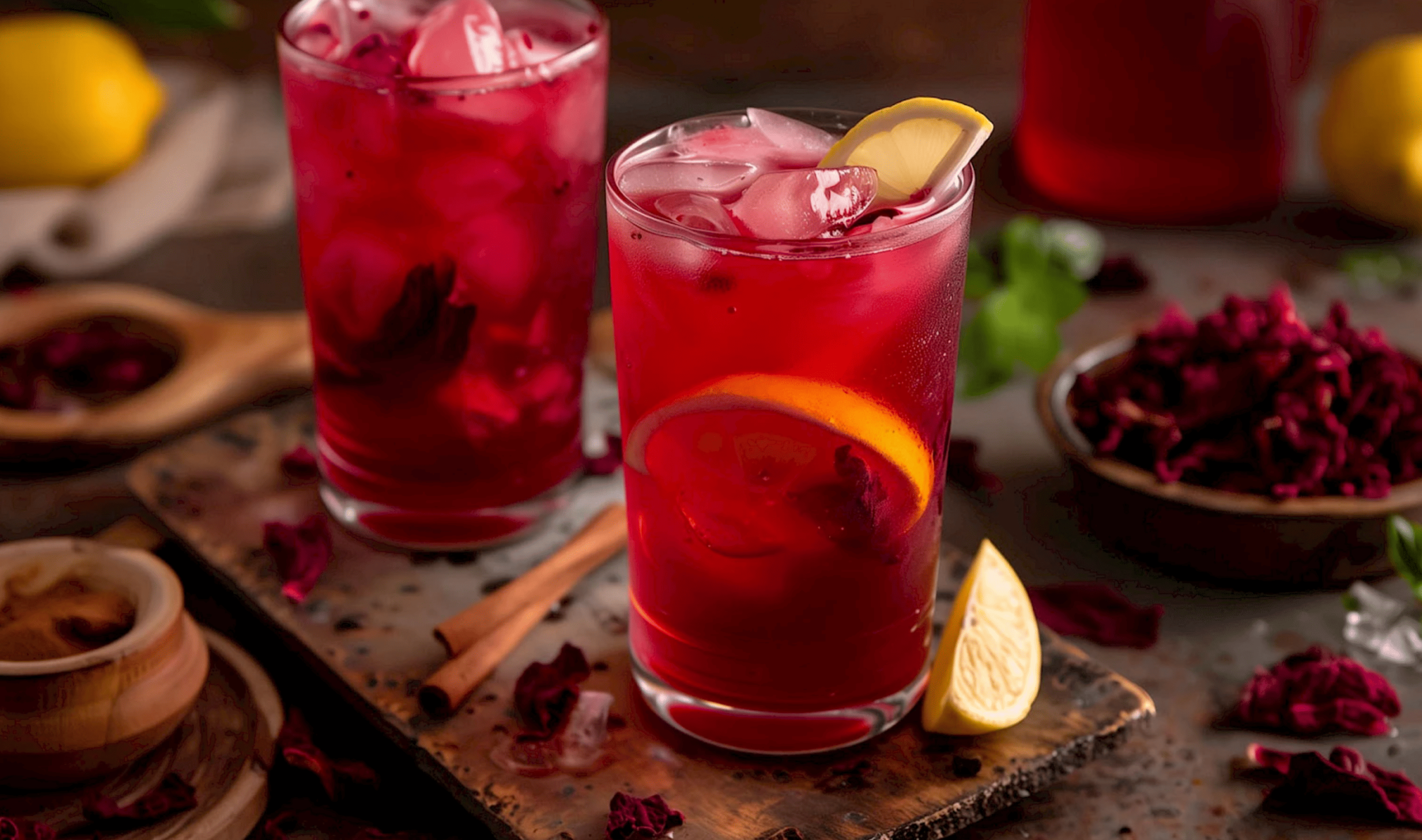
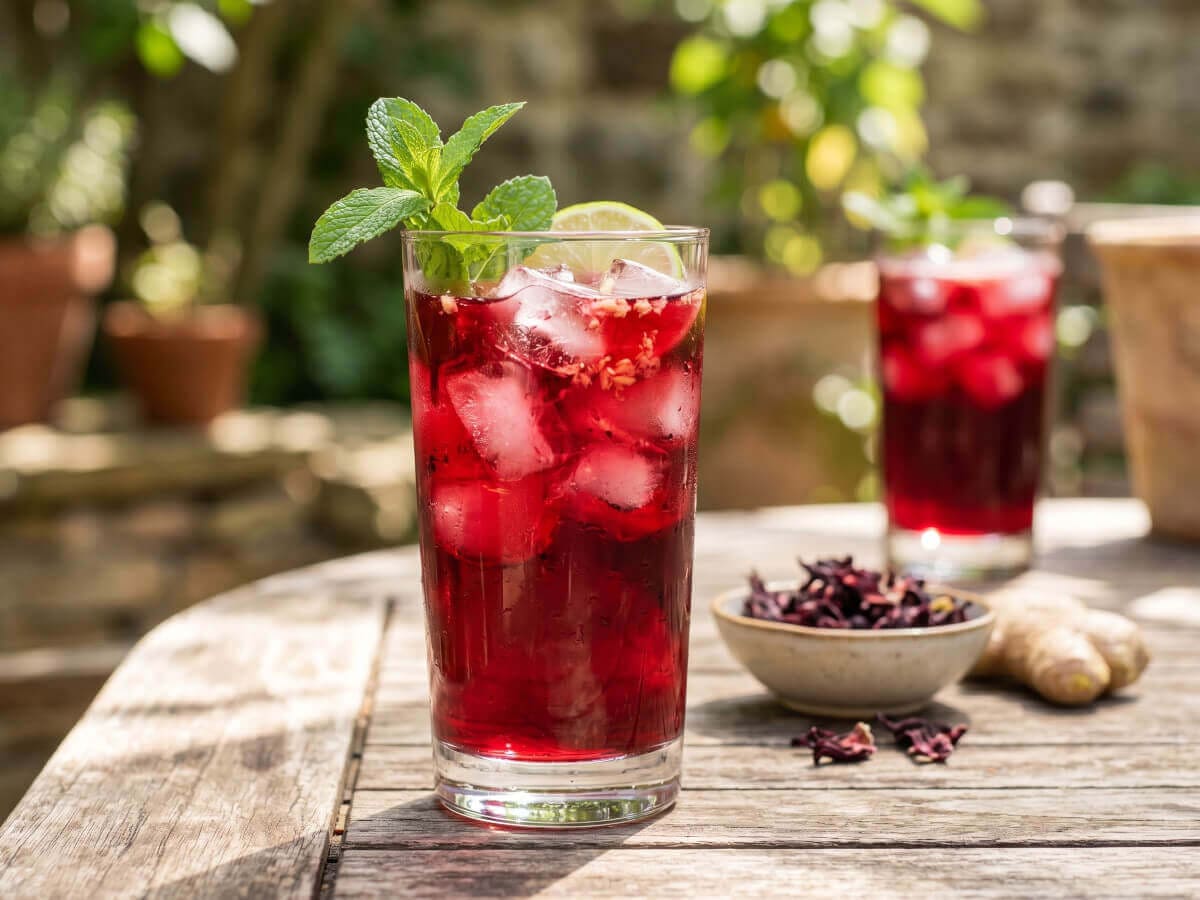
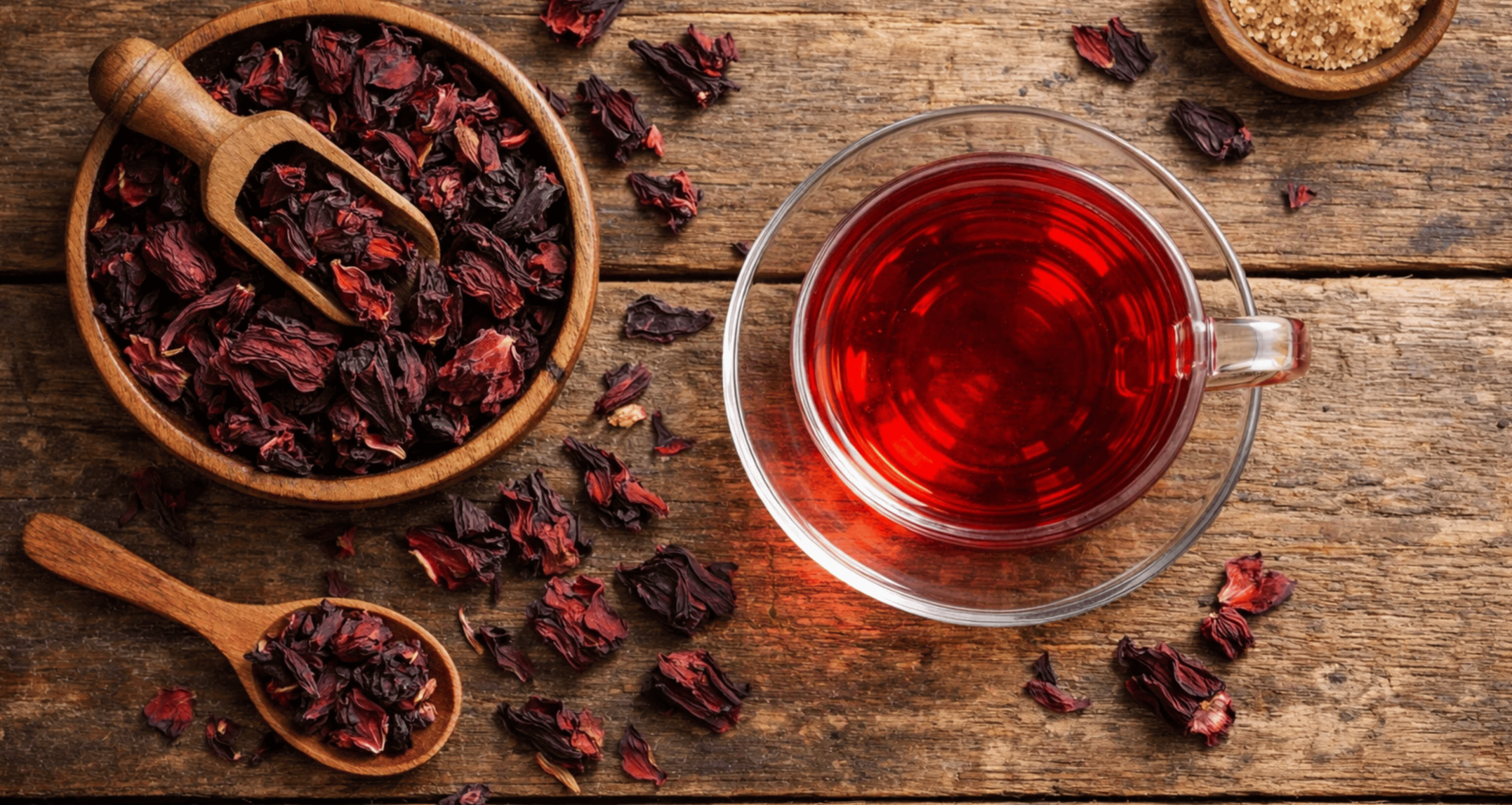
Bissap is a herbal infusion prepared from the dried calyces of the hibiscus flower. It can be served hot or cold and is usually sweetened with sugar, unrefined cane sugar (panela), or honey. Many traditional recipes also flavor it with fresh mint, orange blossom water, vanilla, ginger, or fruits such as pineapple and orange.
Its vibrant ruby-red color and perfect balance of sweetness and acidity make it an ideal drink during hot weather, although in many African countries it is enjoyed hot throughout the year.
The Origins of Bissap
Hibiscus has been consumed for thousands of years. Historical records show that it was already used in Ancient Egypt, where the infusion known as karkade (karkadé) was highly valued for both its flavor and its medicinal properties. It was traditionally served during celebrations and is still commonly offered today as a symbol of hospitality.
Over time, hibiscus cultivation spread across much of tropical Africa, with each country adapting the recipe to its own local ingredients and culinary traditions.
In Senegal, bissap has become a true national symbol and is often served alongside traditional dishes such as Thieboudienne, the country’s national dish.
Health Benefits of Bissap
Besides being exceptionally refreshing, bissap is valued for its nutritional profile.
Some of its main benefits include:
- Rich in natural antioxidants.
- A good source of vitamin C.
- Contains flavonoids and organic acids such as citric, malic, and tartaric acids.
- Supports healthy digestion after meals.
- Helps maintain proper hydration.
- May contribute to healthy blood pressure as part of a balanced diet, according to several scientific studies.
- A natural alternative to sugary soft drinks.
As a naturally caffeine-free herbal infusion, bissap can be enjoyed by most people, including children, provided there are no specific medical contraindications.
Traditional Bissap Recipe
Ingredients
- 2 liters (about 8½ cups) of water
- 200 g (7 oz) dried hibiscus flowers
- Panela, sugar, or honey, to taste
- A handful of fresh mint leaves
- A splash of orange blossom water or a few drops of vanilla extract (optional)
How to Make Bissap
- Rinse the dried hibiscus flowers lightly.
- Bring the water to a boil and add the hibiscus flowers.
- Let them steep for 15–20 minutes until the liquid develops a deep red color.
- Strain the infusion to remove the flowers.
- Add your preferred sweetener and stir until completely dissolved.
- Add the fresh mint and, if desired, the orange blossom water or vanilla.
- Allow the drink to cool completely, then refrigerate for several hours.
- Serve well chilled over ice and garnish with fresh mint leaves.
Popular Variations
Every family and every country has its own version of bissap.
Some of the most popular variations include:
- Bissap with fresh ginger
- Bissap with pineapple juice
- Bissap with orange juice
- Bissap flavored with orange blossom water
- Bissap sweetened with panela instead of refined sugar
- Bissap with spearmint for extra freshness
What Foods Pair Well with Bissap?
In Senegal, bissap is commonly served alongside traditional dishes such as Thieboudienne, Yassa Poulet, Mafé, and a variety of rice, fish, and vegetable dishes.
Its slightly tart flavor helps balance rich and spicy foods, making it an excellent accompaniment to grilled meats and spicy cuisine.
A Drink Rich in History and Culture
More than just a refreshing beverage, bissap represents an important part of Africa’s culinary heritage. Preparing and sharing it is a cherished tradition during family celebrations, social gatherings, and festivals across many African countries.
Today, this traditional drink continues to win over new audiences thanks to its refreshing taste, potential health benefits, and the growing international appreciation of African cuisine.
If you’d like to discover the authentic flavors of Africa, bissap is one of the best recipes to begin your culinary journey.