Swahili Tea: The Hug in a Mug You Didn’t Know You Needed
Swahili Tea: The Hug in a Mug You Didn’t Know You Needed
It recently came to my attention—thanks to my very observant son—that my blog has been seriously neglecting one of my greatest loves: tea.
Apparently, two tea recipes are simply not enough.
Considering that Swahili Tea (Chai ya Maziwa) is practically a daily ritual in our home (and yes, occasionally ends up spilled across the kitchen counter), he had a point. So today, we’re fixing that oversight with a proper tribute to my favorite cup of comfort.
Because this isn’t just tea.
It’s a warm hug on a chilly morning. A quiet moment before the day begins. A little taste of home wrapped in fragrant spices, creamy milk, and rich black tea.
Even on the hottest day, one sip somehow feels comforting.
What Makes Swahili Tea So Special?
Across Kenya, Tanzania, Uganda, and the Swahili Coast, tea is much more than a drink—it’s hospitality in a cup.
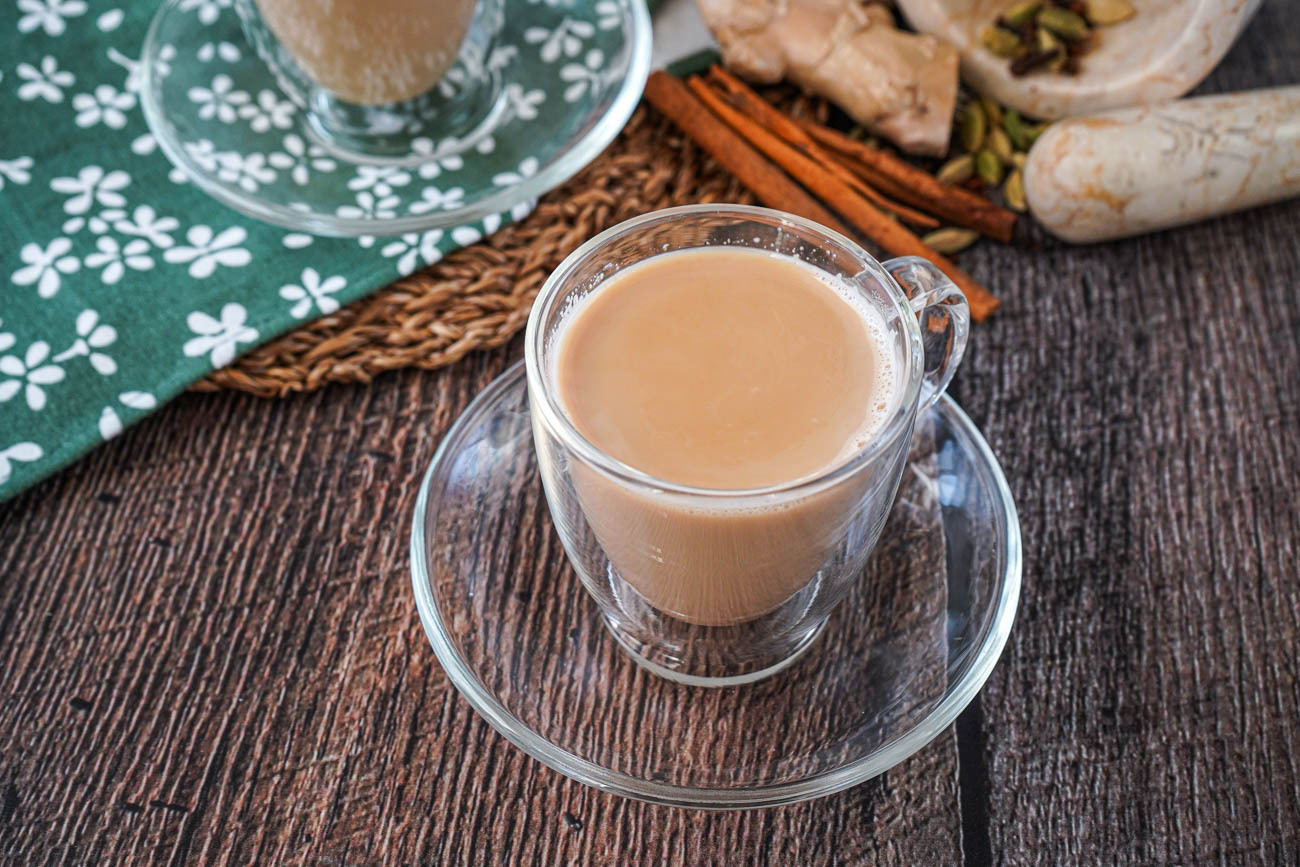
Known as Chai ya Maziwa, or simply «tea with milk,» this beloved East African beverage is traditionally simmered rather than simply steeped. The slow cooking allows black tea and warming spices to fully infuse the milk, creating a rich, aromatic drink that’s worlds apart from an ordinary cup of tea.
As it gently bubbles away on the stove, your kitchen fills with the scent of cinnamon, cardamom, cloves, and fresh ginger. It’s the kind of aroma that makes everyone wander into the kitchen asking,
«Is the tea ready yet?»
A Cup Steeped in Culture
Tea arrived in East Africa during the colonial era, but local communities transformed it into something uniquely their own.
Today, serving chai is a gesture of welcome throughout the region. Whether you’re visiting family, meeting friends, or simply taking a morning break, sharing tea means sharing conversation, connection, and community.
Along the Swahili Coast, Indian and Arab influences introduced fragrant spices like cardamom, cinnamon, cloves, and ginger, creating the beautifully balanced tea enjoyed today.
Every household has its own version.
Some make it boldly spiced.
Others keep it simple with just ginger.
Some even add coconut milk for a coastal twist.
But every cup tells a story.
My Signature Swahili Tea Recipe
This is the recipe I make almost every morning. It’s creamy, comforting, and perfectly spiced without being overpowering.
Serves
2
Prep Time
5 minutes
Cook Time
10 minutes
Ingredients
- 300 ml whole milk
- 200 ml water
- 2 teaspoons loose black tea (or 2 tea bags)
- 3 cardamom pods, lightly crushed
- 2 whole cloves
- 1 small cinnamon stick
- ½-inch piece fresh ginger, sliced
- Sugar or honey, to taste (optional)
Instructions
- In a saucepan, combine the water, tea leaves, cardamom, cloves, cinnamon, and ginger.
- Bring to a gentle simmer and cook for about 5 minutes to allow the spices to fully infuse.
- Pour in the milk and continue simmering over low heat for another 5 minutes, stirring occasionally.
- Strain into mugs.
- Sweeten with sugar or honey if desired.
- Wrap your hands around the warm mug, take that first comforting sip, and imagine you’re sitting on the Swahili coast listening to the ocean waves—even if, in reality, your toddler is using the living room as a race track.
Every Family Has Their Own Chai
One of the beautiful things about East African chai is that no two recipes are exactly alike.
Some families brew their tea with only ginger, creating what’s known as Chai ya Tangawizi. Others add cinnamon, cloves, and cardamom for a richer, more aromatic blend. Along the Kenyan and Tanzanian coast, you’ll even find versions made with coconut milk or freshly grated nutmeg.
There isn’t one «correct» recipe.
The best version is the one that reminds you of home.
Perfect Pairings
Swahili tea is delicious on its own, but it’s even better served alongside traditional East African treats like:
- Mandazi (East African fried dough)
- Mahamri (coconut and cardamom doughnuts)
- Chapati
- Kaimati (sweet fried dumplings)
- Freshly baked biscuits
Whether it’s breakfast, afternoon tea, or an evening catch-up with family, these pairings make every cup feel like a celebration.
More Than Just Tea
East African chai isn’t simply a beverage—it’s woven into everyday life.
It’s offered to guests before they even sit down.
It’s shared during weddings, family gatherings, and holidays.
It’s served during moments of celebration and moments of comfort.
A simple pot of tea has a remarkable way of slowing life down, inviting conversation, and bringing people together.
Perhaps that’s why it remains such an important tradition across generations.
Final Sip
My son may have gently called me out for the lack of tea recipes on this blog, but I’m grateful he did.
Because this recipe deserves its moment.
If you’ve never tried Swahili Tea before, I hope you’ll make a pot this week. Let the spices fill your kitchen, pour yourself a generous mug, and discover why this humble drink has been warming hearts across East Africa for generations.
Trust me—one cup probably won’t be enough.
Have you ever tried East African chai? Or does your family have its own special way of making tea? I’d love to hear about it in the comments below.